Riding a Snowmobile Trail on a Quad
It's a common sight across Pennsylvania's beautiful winter landscape: winding trails, covered in a fresh blanket of snow, often groomed and looking incredibly inviting. For many ATV and UTV enthusiasts, the immediate thought is, "Can I take my quad out there?" It’s a completely understandable question, especially when you see other machines zipping around. But here in Pennsylvania, just because a trail is white with snow and looks perfect for riding doesn't automatically mean it's open to your ATV or UTV, especially if it's primarily a designated snowmobile trail. This guide is here to clear up that snowy confusion, helping you understand the crucial differences and find legal, fun places to ride your ATV or UTV during the colder months.
The Fundamental Difference: Why Snowmobile Trails Are Often Off-Limits to ATVs in Pennsylvania
Pennsylvania has a distinct system for how it designates and manages its trails, especially when it comes to seasonal use and different types of recreational vehicles. While it might seem logical to lump all "winter riding" together, the reality is that snowmobiles and ATVs are often treated quite differently in terms of where they can legally operate. This separation is rooted in a mix of environmental considerations, safety, and the sheer physical differences between the machines themselves.
Understanding Trail Designation and Purpose
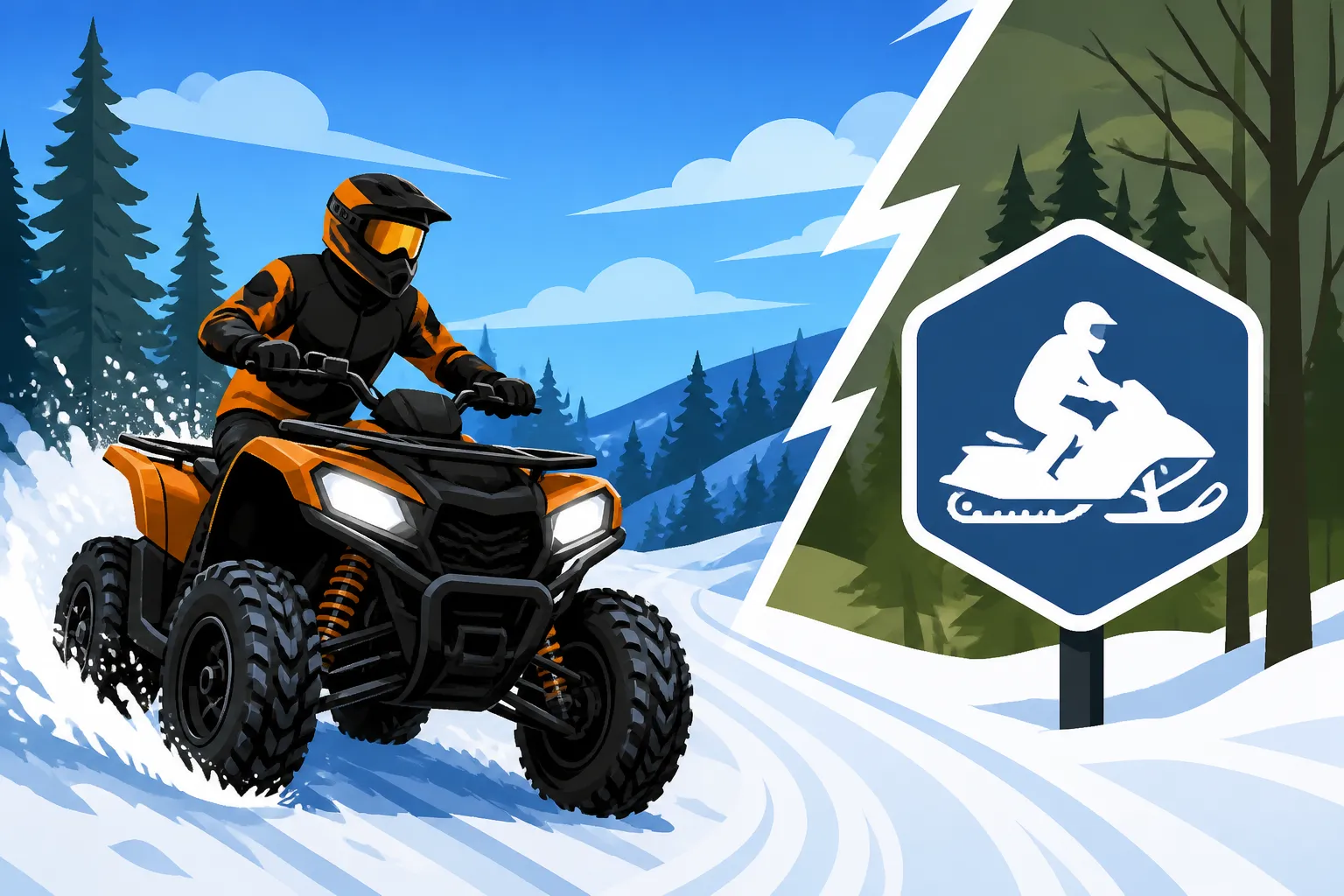
When you see a sign that marks a trail as a "snowmobile trail," it's not just a suggestion; it's a legal designation. These trails are specifically managed and often groomed for snowmobile use. This means the surface preparation, the types of bridges, the width, and even the banking on turns are all designed with a snowmobile's characteristics in mind. Snowmobiles are lighter, distribute their weight differently with a track and skis, and handle snow conditions in a way that ATVs and UTVs simply don't.
The Pennsylvania Department of Conservation and Natural Resources (DCNR) works hard to maintain these distinct trail systems. Funds collected from snowmobile registrations go towards snowmobile trail maintenance, just as ATV registration fees support ATV trails. It’s about ensuring that each user group has dedicated, well-maintained resources. Attempting to ride an ATV on a dedicated snowmobile trail can cause significant damage to the groomed surface, creating ruts and bumps that are dangerous for snowmobilers. It can also lead to conflicts between user groups, which nobody wants. So, the "why" behind these rules is largely about preserving the trail experience for its intended users and preventing damage that could make trails unsafe or unusable for others.
The Physical and Legal Distinctions Between Snowmobile and ATV Trails
Beyond the purpose, there are very real physical and legal differences that set these trails apart. A dedicated snowmobile trail might be quite narrow in places, winding through trees where an ATV or certainly a wider UTV, particularly one equipped with SuperATV aftermarket accessories, would struggle to fit or even cause damage to trees. The base of a snowmobile trail, especially if it's a multi-use trail during other seasons, might not be designed to withstand the digging action of an ATV's knobby tires on snow, or the heavier weight of a side-by-side.
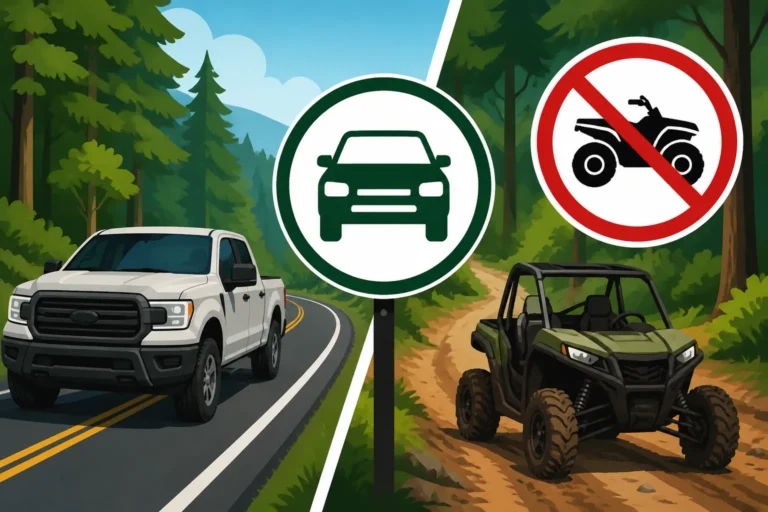
Legally, state law is very clear. Pennsylvania's DCNR, which oversees these recreational lands, has specific regulations about which machines are permitted on which trails and when. A snowmobile trail is defined by its use for snowmobiles, and without explicit designation for ATVs during winter, they are off-limits. There's no blanket "if it's snowy, it's open to everything" rule. In fact, many ATV trails close for the winter, or specifically for "mud season," to protect the trail base from damage when the ground thaws and freezes. The rules differentiate significantly, and understanding [Where a Snowmobile Trail and ATV Trail Differ] is crucial for any rider hoping to hit the winter trails without issues. Ignoring these distinctions can lead to citations and fines, which nobody wants when they're just trying to enjoy the outdoors.
Navigating Pennsylvania's Winter Wonderland: Where ATVs Can Ride When Snow Falls
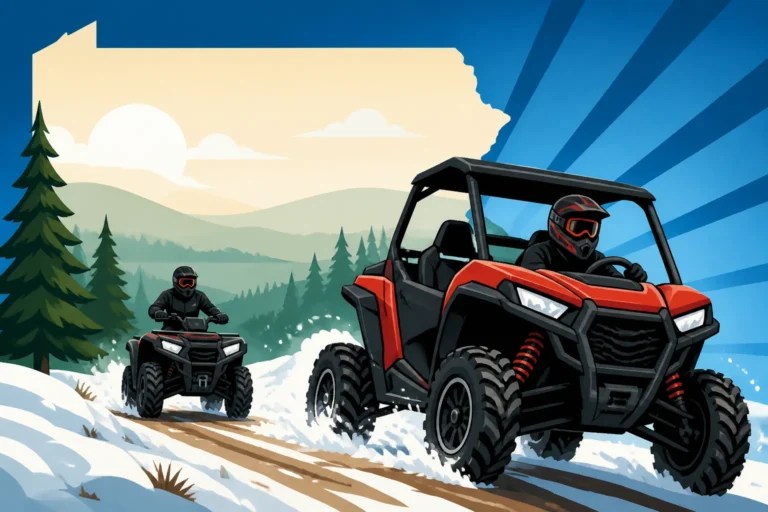
While the general rule is "no ATVs on dedicated snowmobile trails," that doesn't mean all winter riding is off the table in Pennsylvania. The state offers a variety of opportunities for ATV and UTV riders to enjoy the snowy season, but it requires knowing where to look and understanding the specific designations. It's about finding the trails that are explicitly open to ATVs and UTVs when the snow flies.
Designated Multi-Use Trails and Roads
The key to winter ATV riding in Pennsylvania often lies in finding trails or roads that are specifically designated as "multi-use" and are open to ATVs during the winter months. These are not snowmobile-exclusive trails but rather routes that, by design or seasonal adjustment, accommodate more than one type of machine. These might include:
- State Forest Roads: Many state forest roads are open to licensed vehicles year-round. While not "trails" in the off-road sense, they can offer scenic winter riding if they are not specifically gated or closed. Always check DCNR advisories for specific road conditions and closures.
- Designated ATV Trails with Winter Seasons: Some of Pennsylvania's extensive ATV trail system, which spans hundreds of miles across various state forests and other lands, does have a specific winter riding season. These are not snowmobile trails, but dedicated ATV trails that reopen for a limited window when conditions allow. For example, certain trails in the Allegheny National Forest have a winter riding period. Always verify the specific dates and conditions for these trails, as they can vary greatly year to year based on snowfall and trail conditions.
- Private Parks and Club Trails: Commercial ATV parks or private riding clubs often set their own rules for winter access. Many of these parks groom their own trails and might permit ATVs and UTVs through the snow, provided they meet specific requirements like tire types or studded tires. This is often the most reliable way to find consistent winter riding if you're not on private land.
It's vital to check with the specific land manager—be it DCNR for state forests, the National Forest Service for Allegheny, or a private park—before heading out. What's open one year might be closed the next, and conditions can change rapidly. Look for official signs, websites, or contact numbers for the most current information. [Pennsylvania Trails That Reopen for Winter] are your golden ticket, but you have to know which ones they are.
Seasonal Closures and Winter Reopenings for ATVs
Pennsylvania's DCNR operates on a seasonal schedule for many of its state forest ATV trails. Generally, the main ATV season runs from the Friday before Memorial Day through the last full weekend in September. However, there are often specific winter riding opportunities.
The confusion arises because many ATV trails close from roughly October to the spring thaw. This "mud season" closure is critical for preventing erosion and preserving the trail base when freezing and thawing cycles make the ground unstable and highly susceptible to damage. Then, a select number of trails, or specific sections, might reopen for a designated winter ATV season, often coinciding with sufficient snow accumulation to protect the underlying ground.
It's a nuanced system: a trail that's open for ATVs in summer might be completely closed in fall, and then might or might not reopen for a winter ATV season, all independent of snowmobile trail designations. So, if you're planning on [Riding in Winter] in Pennsylvania, you need to consult the DCNR's current trail status page or district office directly. This will clarify which trails are open, what the specific dates are, and if any special conditions apply. Getting this information wrong can lead to serious fines or damage to sensitive natural areas.
| Trail Type/Condition | ATV/UTV Access in Winter | Typical Conditions/Rules |
|---|---|---|
| Dedicated Snowmobile Trails | No | Maintained for snowmobiles only; ATVs cause damage. |
| Designated Winter ATV Trails | Yes (select few) | Specific DCNR trails with designated winter openings; check dates and snow depth. |
| Multi-Use State Forest Roads | Yes (many) | Roads open to highway-registered vehicles; check DCNR for specific closures/conditions. |
| Private Parks/Clubs | Yes (variable) | Rules set by owner; check their website for winter hours, rates, and machine requirements. |
| General State Forest ATV Trails | No (usually) | Often closed for mud season/winter to prevent damage, unless specifically reopened. |
| Game Lands Roads | No (usually) | Most Game Lands are closed to ATVs/UTVs except for specific disabled access. |
Essential Gear and Considerations for Cold Weather ATV Riding in Pennsylvania
Riding in cold weather, especially with snow on the ground, isn't just about finding an open trail; it's about being prepared for the conditions. Winter riding adds layers of complexity, from machine maintenance to personal safety, that summer riding simply doesn't. Being ready for the chill, the snow, and potential slippery conditions is paramount for an enjoyable and safe experience.
Preparing Your Machine for Snow and Cold
Your ATV or UTV needs some extra love and attention to perform reliably in cold and snowy conditions. Just like you wouldn't drive your car in winter without checking the antifreeze, your quad needs similar consideration:
- Tires: Good traction is critical. Look for tires with an aggressive tread pattern that can bite into snow and ice. Some riders even consider [Studded Tires on a Snow-Covered Road] for extreme grip, though you need to ensure they are permitted on the trails you plan to ride. Companies like SuperATV offer a range of tires designed for various off-road conditions, and checking their options for muddy or snowy terrain might be a good starting point.
- Fluids: Ensure your engine oil is suitable for cold temperatures. Check your coolant levels and make sure it has adequate antifreeze protection. A fully charged battery is also non-negotiable; cold weather saps battery power faster.
- Winch and Recovery Gear: Even on a designated winter ATV trail, snow can hide hazards or create unexpected deep spots. A reliable winch and recovery straps are essential. Getting stuck far from help in freezing temperatures is a serious situation. SuperATV, for instance, offers robust winches and recovery kits that could be a lifesaver in these conditions.
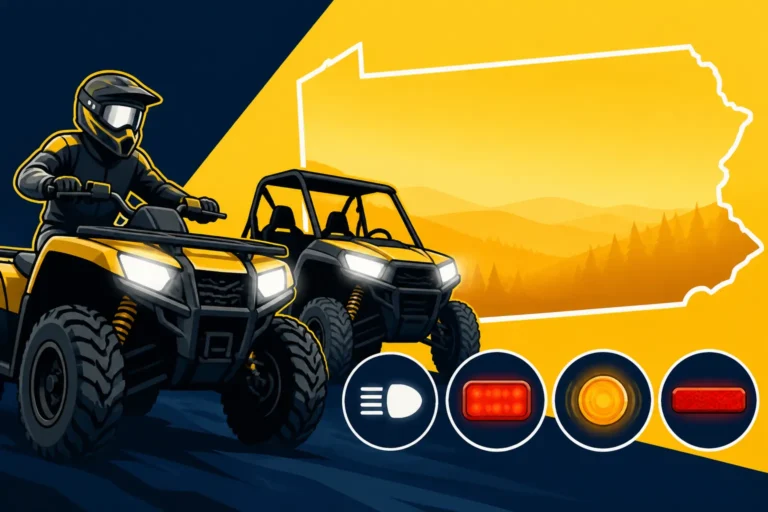
- Lighting: Winter days are shorter, and visibility can be reduced by snow, fog, or falling flakes. Ensure all your lights are working, and consider adding auxiliary LED light bars for better visibility, both for you to see the trail and for others to see you.
- Protection: Your machine will be exposed to more moisture, salt (if riding on roads), and abrasive snow. Consider protecting vulnerable components with underbody skid plates or fender flares to keep snow, slush, and debris from being thrown up onto you or your machine.
Regular maintenance, like checking brakes, cleaning air filters, and ensuring all moving parts are lubricated, becomes even more important when facing harsh winter conditions. A pre-ride inspection is always crucial, but especially so when the temperatures drop.
Personal Safety and Trail Etiquette in Winter
Your personal safety should be your top priority. Hypothermia and frostbite are real risks in Pennsylvania winters.
- Layer Up: Wear multiple layers of clothing that can be adjusted. A waterproof and windproof outer shell is essential. Don't forget insulated gloves, a warm hat or balaclava, and waterproof boots.
- Hydration and Nutrition: Even in cold weather, you can become dehydrated. Carry water and high-energy snacks.
- Communication: Cell service can be spotty in remote state forests. Carry a fully charged cell phone, but also consider a satellite messenger or a two-way radio, especially if riding with a group. Let someone know your planned route and expected return time.
- First Aid Kit: Always carry a well-stocked first aid kit, and know how to use it.
- Riding with a Group: It's always safer to ride with at least one other person in winter. If something goes wrong, you have immediate assistance.
- Trail Etiquette: Be extra mindful of others on the trail. If it's a multi-use trail, you might encounter snowmobilers, cross-country skiers, or even hikers. Slow down, be courteous, and yield when necessary. Don't damage groomed snowmobile surfaces if you accidentally find yourself on one, and turn back immediately. Respect private property and always stay on marked trails. Knowing [Pennsylvania Trail Etiquette on Narrow Trails] is paramount, especially when you might be sharing space or encountering different types of recreationalists.
Avoiding Fines and Staying Legal: Key Rules for Pennsylvania Winter ATV Enthusiasts
The thrill of a winter ride can quickly turn sour if you're cited for riding where you shouldn't be. Pennsylvania takes its trail regulations seriously, and ignorance of the rules is no defense. Understanding the requirements for registration, permits, and the potential penalties is crucial for a worry-free winter experience.
Registration, Permits, and Reciprocity for Winter Riding
Just like any other time of year, your ATV or UTV must be properly registered to ride on designated trails in Pennsylvania. This isn't just a summer formality.
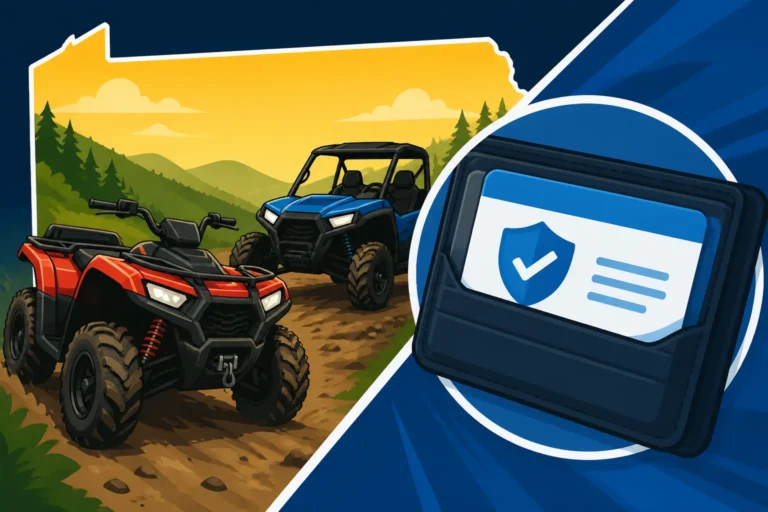
- Pennsylvania Registration: If you're a resident, your machine needs to be registered with the DCNR. This is typically a two-year registration that costs a nominal fee. You'll receive a plate and a wallet card. [Pennsylvania ATV Registration Cost] includes a small portion that directly funds trail maintenance and acquisition.
- Trail Permits: For designated state forest ATV trails, you may need a specific trail permit in addition to your general registration. This is particularly true for the extensive Northcentral Regional ATV Trail System. [Pennsylvania ATV Trail Permits Explained] details this requirement, including costs for residents and non-residents. These permits are crucial for supporting the upkeep of the trails you ride.
- Out-of-State Riders and Reciprocity: If you're visiting Pennsylvania from another state, you might be wondering if your home-state registration or safety certificate is honored. Pennsylvania does have reciprocity agreements with certain states, meaning your valid registration from a reciprocal state might be accepted. However, this is not universal. Always check the DCNR's current reciprocity list before planning your trip. Even with reciprocity, you might still need a Pennsylvania trail permit for certain areas. Make sure to carry proof of your out-of-state registration with you. [Does Pennsylvania Honor Out-of-State Registration?] is a question you absolutely need to research before you arrive.
- Safety Certificates: All ATV operators aged 8 through 15, and any operator born after January 1, 1988, who operates on DCNR-managed land or lands open to public use, must possess an ATV Safety Certificate. Even if you're a seasoned rider, if you meet these criteria, you need to have completed the course and carry proof. [Pennsylvania ATV Safety Certificate Requirements] are very clear and apply year-round.
Always carry your registration, permit, and safety certificate (if applicable) with you while riding. A waterproof pouch for these documents is a smart investment, especially in winter.
Understanding Penalties for Illegal Trail Use
Riding where you're not permitted can lead to serious consequences. Pennsylvania's DCNR rangers and local law enforcement officers patrol trails and are well-versed in the regulations.
- Fines: The most immediate consequence is a fine. Riding an unregistered ATV, or riding on a closed or unauthorized trail, can result in significant monetary penalties. For example, [Pennsylvania Fines for an Unregistered ATV] can be substantial, often starting at $300, plus court costs. These aren't minor parking tickets; they reflect the state's commitment to protecting its natural resources and ensuring safe, compliant recreation.
- Vehicle Impoundment: In some cases, especially for repeat offenses or egregious violations, your ATV or UTV could be impounded. This means additional costs for towing and storage, on top of any fines.
- Environmental Damage: Beyond the legal penalties, consider the environmental impact. Riding off-trail or on sensitive snowmobile-only trails can damage fragile ecosystems, disrupt wildlife, and cause erosion that takes years to repair. Part of being a responsible rider is respecting the land and its rules.
- Loss of Privileges: Continuous violations could potentially lead to a loss of riding privileges or further restrictions on access. The goal is to keep trails open for everyone, and that relies on everyone following the rules.
In short, never assume a trail is open, especially in winter. Do your homework, get the right permits, make sure your machine is registered and equipped for the conditions, and understand [Pennsylvania Fines for a Trail Violation] before you ever head out. A quick check of the DCNR website or a call to a local state forest office can save you a lot of headache and expense.
Disclaimer
This article is for general informational purposes only and does not constitute professional advice. Laws, prices and regulations vary by location and change over time. Consult a qualified professional for guidance on your specific situation.